What Every New Homeowner in the Greater Boston Area Should Know About Masonry
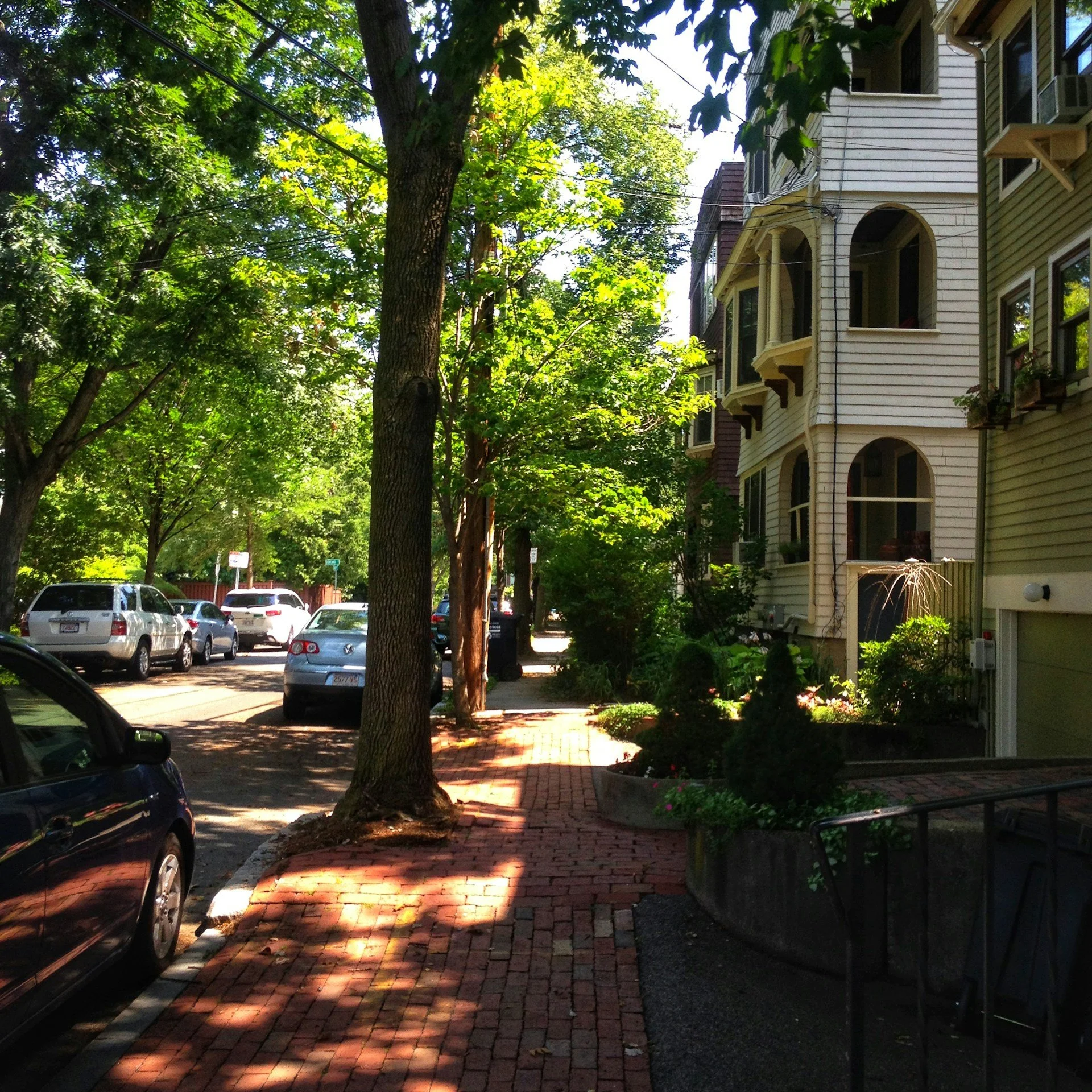
Buying a home in the Greater Boston Area is exciting—but many first-time homeowners are surprised by how much responsibility comes with maintaining older homes, especially when it comes to masonry. From historic brick foundations to stone steps and chimneys, masonry plays a critical role in protecting your home through New England’s changing seasons. Understanding how masonry behaves in this climate can help you avoid costly repairs and make smarter decisions early on.
Older Homes Mean Older Masonry
Many homes across Boston, Charlestown, Cambridge, Somerville, Newton, and surrounding communities were built decades—or even centuries—ago. While brick and stone are incredibly durable, the mortar that holds them together wears down over time. Previous repairs may not always meet modern standards, making inspections especially important for new homeowners.
If your home has brick walls, stone foundations, or a masonry chimney, assume that some level of maintenance will be needed, even if everything looks fine at first glance.
Freeze-Thaw Cycles Are a Real Threat
Greater Boston experiences frequent temperature swings in fall, winter, and early spring. Water enters small cracks in brick or mortar during warmer periods, freezes overnight, and expands. Over time, this freeze-thaw cycle can lead to crumbling mortar, loose bricks, and surface damage known as spalling.
New homeowners should pay close attention after their first winter, when issues often become more visible.
Chimneys and Foundations Deserve Extra Attention
Chimneys are one of the most exposed masonry elements on a home. Cracked chimney crowns, deteriorated mortar joints, or failing flashing can allow water into both the chimney and the interior of the house.
Foundations are just as important. Stone and brick foundations common in older Boston-area homes can shift or crack if moisture is not properly managed. Addressing drainage issues early helps prevent long-term structural concerns.
Entry Steps, Walkways, and Patios Aren’t Just Cosmetic
Brick and stone steps, walkways, and patios add character to a home, but they’re also vulnerable to frost heaving. Uneven steps and shifting pavers aren’t just visual problems—they can become safety hazards over time.
New homeowners should inspect these areas seasonally and address movement before it worsens.
Preventative Maintenance Saves Money
One of the biggest lessons for new homeowners is that masonry problems rarely fix themselves. Small cracks grow, loose mortar worsens, and moisture damage compounds year after year.
Early repairs like repointing, sealing, waterproofing, and proper drainage management are far more cost-effective than waiting until major restoration is required.
When to Call a Professional
If you notice cracked or crumbling mortar, loose bricks or stones, water stains near masonry, or visible movement in steps or foundations, it’s best to consult a masonry professional. An experienced contractor familiar with Greater Boston homes can identify whether issues are cosmetic or structural—and help you plan repairs proactively.
Owning a home in the Greater Boston area comes with unique challenges, but with the right knowledge and maintenance, your masonry can remain strong, safe, and beautiful for decades to come.