Why Are New England Winters Are So Hard on Brick, Stone, and Mortar?
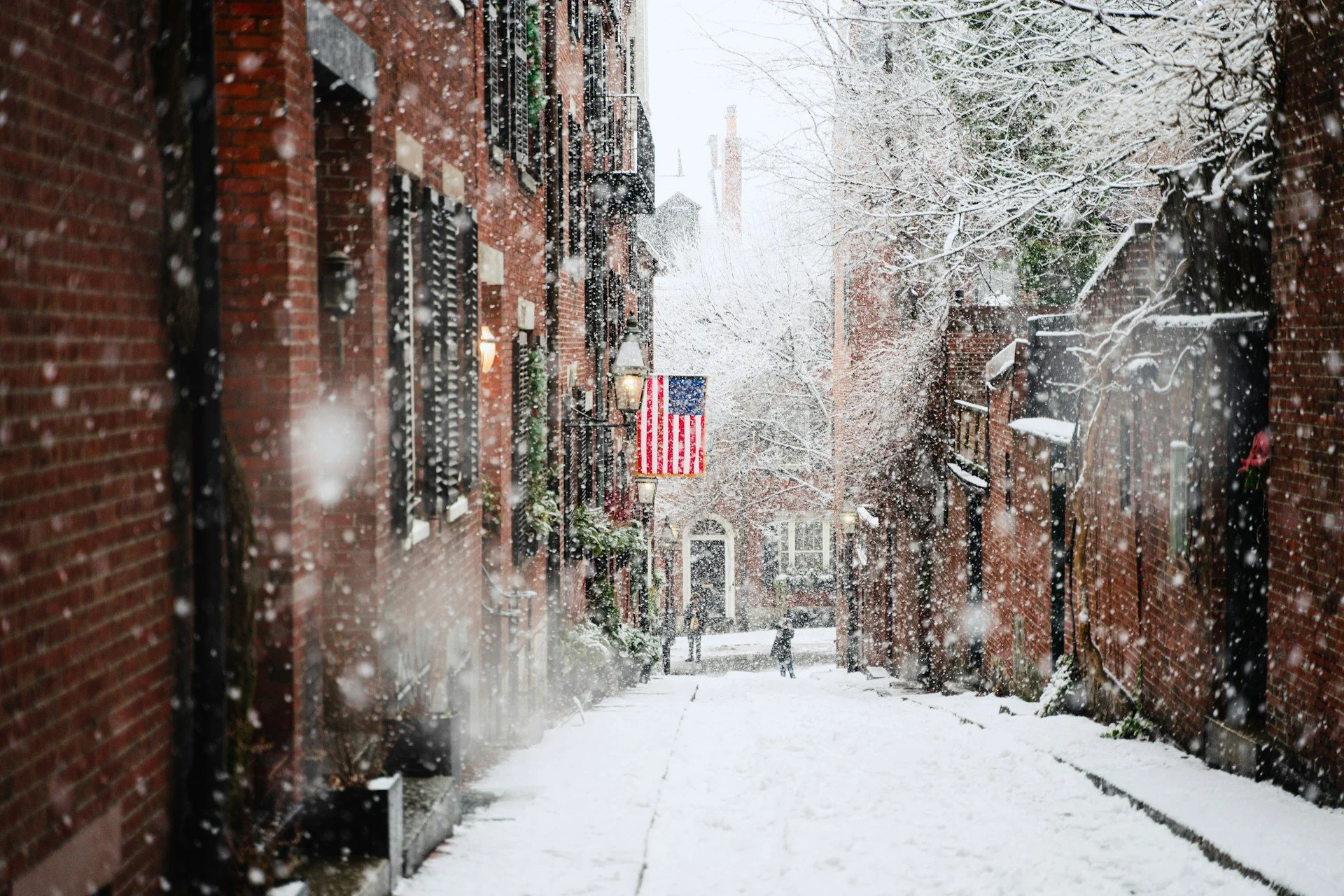
New England winters are uniquely tough on homes—especially those built with brick, stone, and masonry details. Between snow, ice, freezing rain, and rapid temperature swings, masonry surfaces are constantly expanding, contracting, and absorbing moisture. Over time, that stress can quietly weaken chimneys, foundations, steps, and exterior walls.
One of the biggest culprits is the freeze-thaw cycle. Water seeps into small cracks in brick or mortar during warmer periods. When temperatures drop, that water freezes and expands, widening those cracks from the inside out. Repeated again and again throughout the season, this process can lead to spalling, crumbling mortar, and loose masonry.
Moisture is another major concern. Melting snow and ice don’t just disappear—they often soak into masonry and refreeze overnight. White powdery stains known as efflorescence may appear, which are usually cosmetic but often signal deeper moisture problems beneath the surface.
Ground movement also plays a role. Frost heaving occurs when frozen soil expands beneath patios, walkways, and foundations, pushing masonry out of alignment. Over time, this can create uneven surfaces, trip hazards, and structural stress.
“The best way to protect your home is early awareness.”
Inspect masonry regularly for cracked mortar, loose bricks, or shifting stone—especially around chimneys and entry steps. Addressing small issues early, sealing cracks, and ensuring proper drainage can dramatically reduce long-term damage.
For New England homeowners, masonry maintenance isn’t just about appearance—it’s about protecting the structure of your home against one of the harshest climates in the country.